Oracle Integration Cloud
Infrastructure Platform as a Service
SnapshotROLE SCOPE OUTCOME STACK | ||
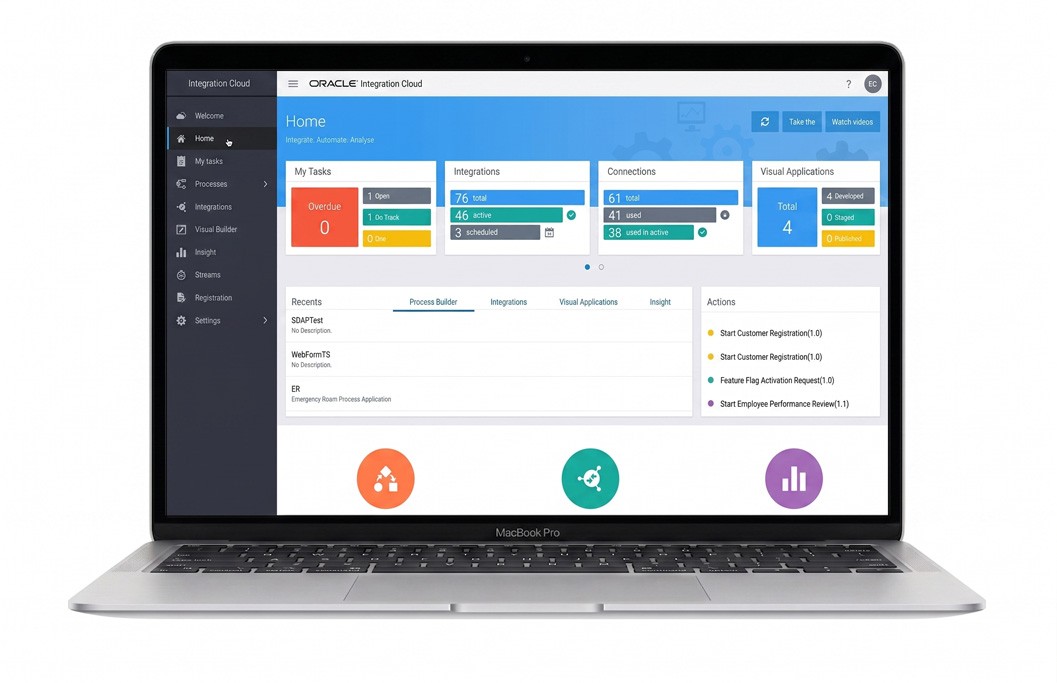
Lead designer for the launch of Oracle Integration Cloud, Oracle's first Integration Platform-as-a-Service (iPaaS), a unified cloud service that brought integration, process automation, and analytics together int
o a single platform.
0-to-1 sole designer on Oracle Real-Time Integration Business Insight (RTIBI), the analytics product within the suite.
Sole designer evolving the existing Application Integration and Process Automation products to fit the unified platform.
Oracle Integration Cloud, recognized as a Gartner Magic Quadrant Leader for Data Integration Tools, for eight years in a row (2017-2025).
The Oracle Integration Cloud story
In 2015, Oracle had a portfolio of strong but isolated integration products:
Application Integration
Process Automation
Customers were stitching them together themselves, juggling multiple tabs and three different mental models for work that should have been one continuous experience.
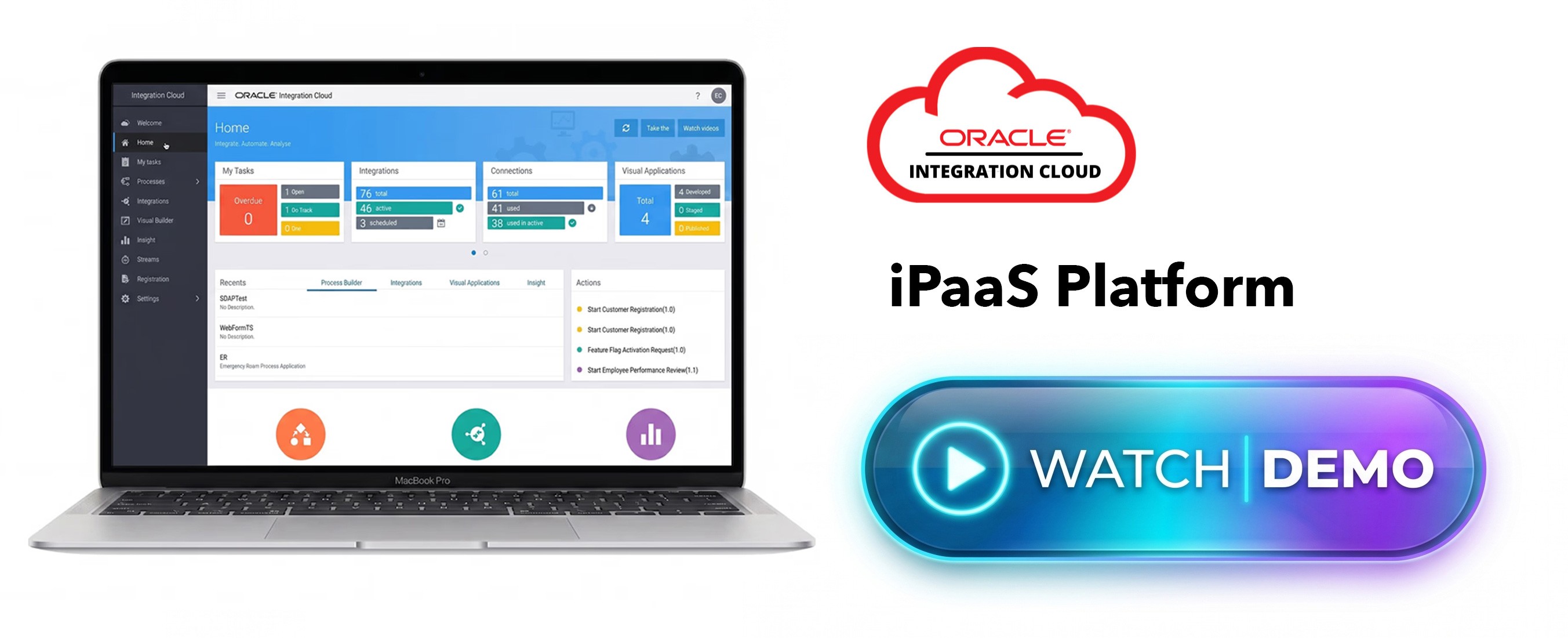
Oracle leadership wanted something new: Oracle's first Integration Platform-as-a-Service (iPaaS), a unified cloud service that combined integration, process automation, and analytics into a single platform.
The integration market was dominated by competitors (Microsoft, IBM, Informatica) and Oracle needed a coherent platform story to win it.
Two pieces of that story didn't exist yet and had to be designed from zero:
A real-time analytics layer that gave non-technical business users visibility into integration operations
The iPaaS parent suite itself, the unified entry point, IA, and shared design language that tied integration, process automation, and analytics into a single platform offering.
I was the designer leader for both. The brand new analytics product, and the evolution of the two existing products (Application Integration and Process Automation) alongside the analytics product so they all fit cleanly into the unified platform.
A decade later, that platform is Oracle's headline integration suite, a Gartner Magic Quadrant Leader for Data Integration Tools (2017-2025), serving customers including Hormel Foods, Skanska, and the NFL.
The design decisions made in the initial launch created a foundation that's evolved into a third edition, with AI capabilities recently added in 2025.
Project 1:
Oracle Real-Time Integration Business Insight
The challenge
Integration platforms generate enormous volumes of operational data. Most of that data was buried in technical dashboards designed for engineers, useless to the business stakeholders who actually needed to act on it.
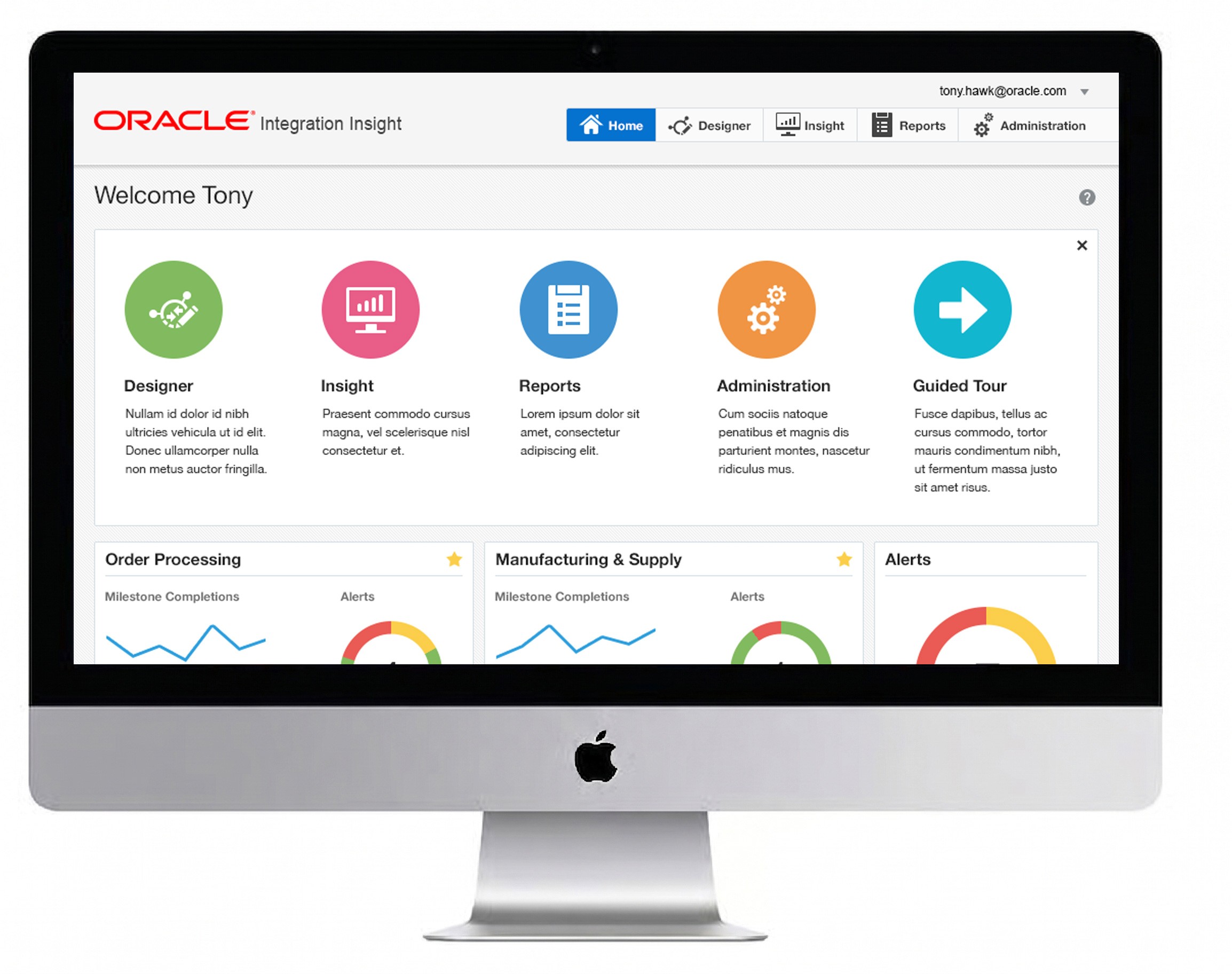
Oracle Real-Time Integration Business Insight (RTIBI) flipped the model. It was a 0-to-1 analytics product designed specifically for business users. Out-of-the-box dashboards, real-time instance tracking, milestone and indicator monitoring, and custom dashboards configurable without writing code.
My role
Sole designer, full-lifecycle UX, UI, interaction, and visual design for the initial release (0-to-1). RTIBI was designed and built in a silo at first, its own product, its own customer audience, its own visual language. I owned every design artifact end to end.
Design decisions that shaped the product
Out-of-the-box analytics so business users got value on day one, no coding skills required.
The Information Architecture followed the Oracle's standardized pattern for segmenting the build, tracking, and reporting functions into separate areas.
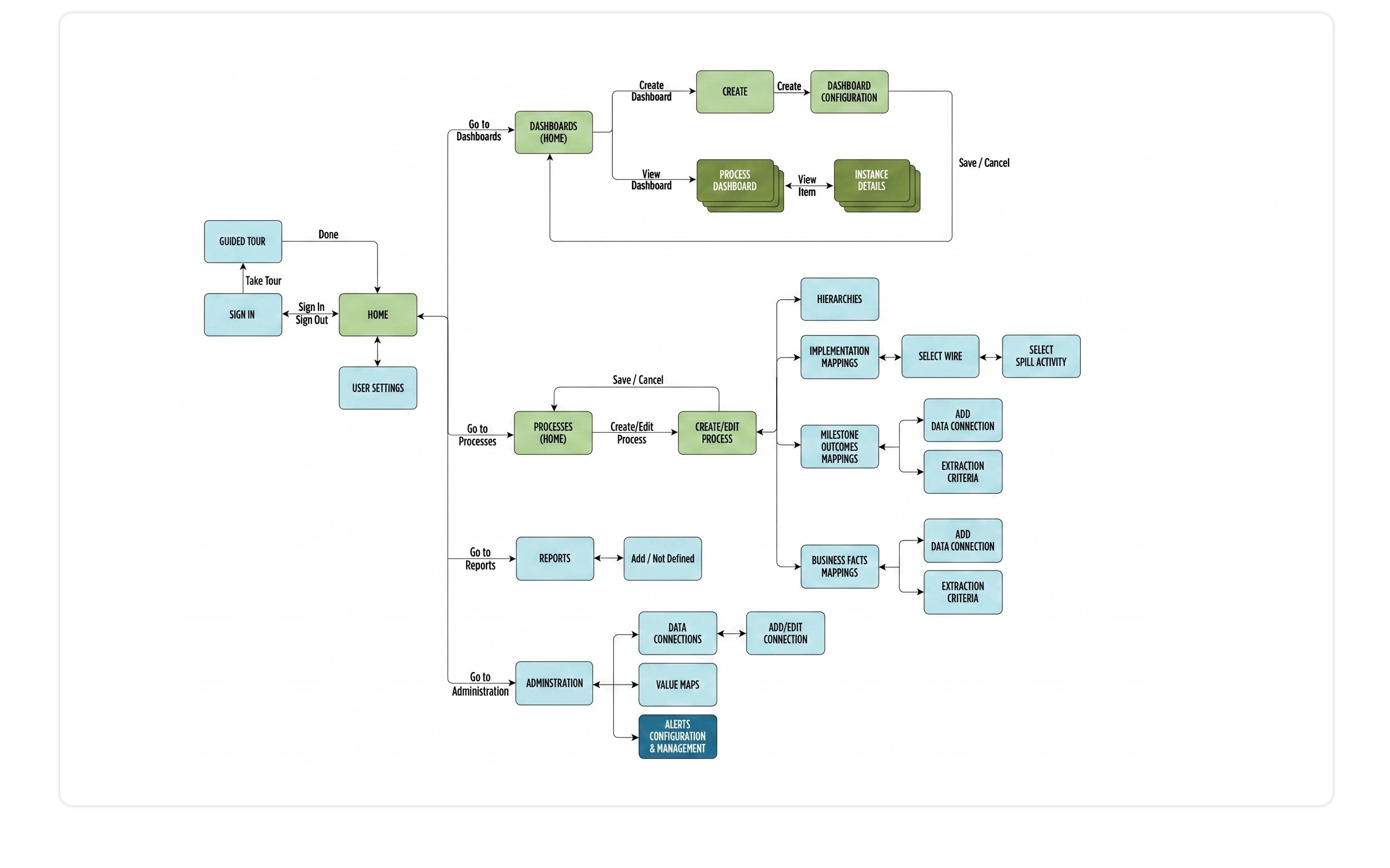
Tracking was the primary destination. Not a side panel, not a report, an entire screen dedicated to following individual process instances in real time.
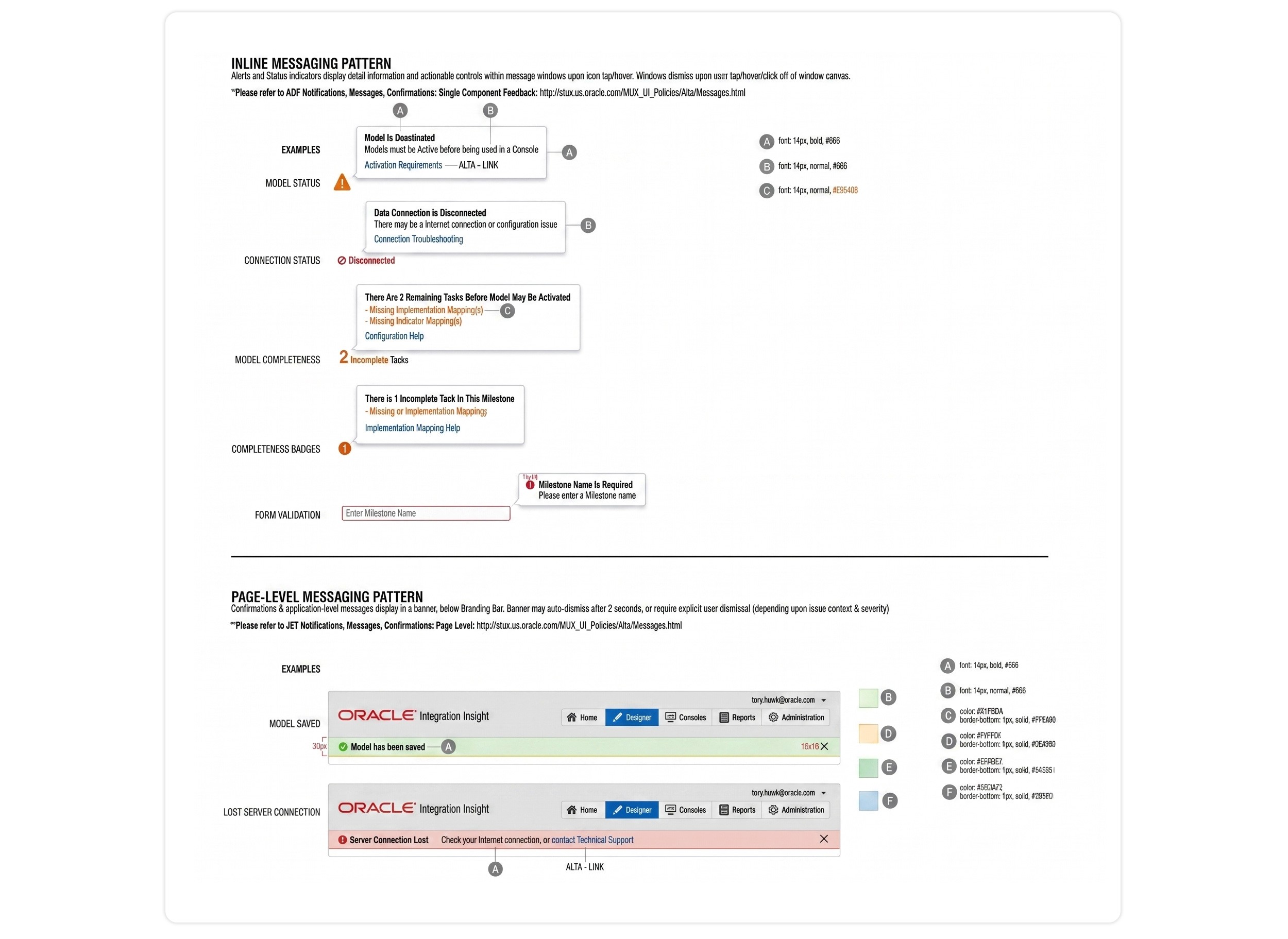
Messaging and save patterns where not consistent across Oracle products, so RTIBI needed it's own custom, contextual patterns.
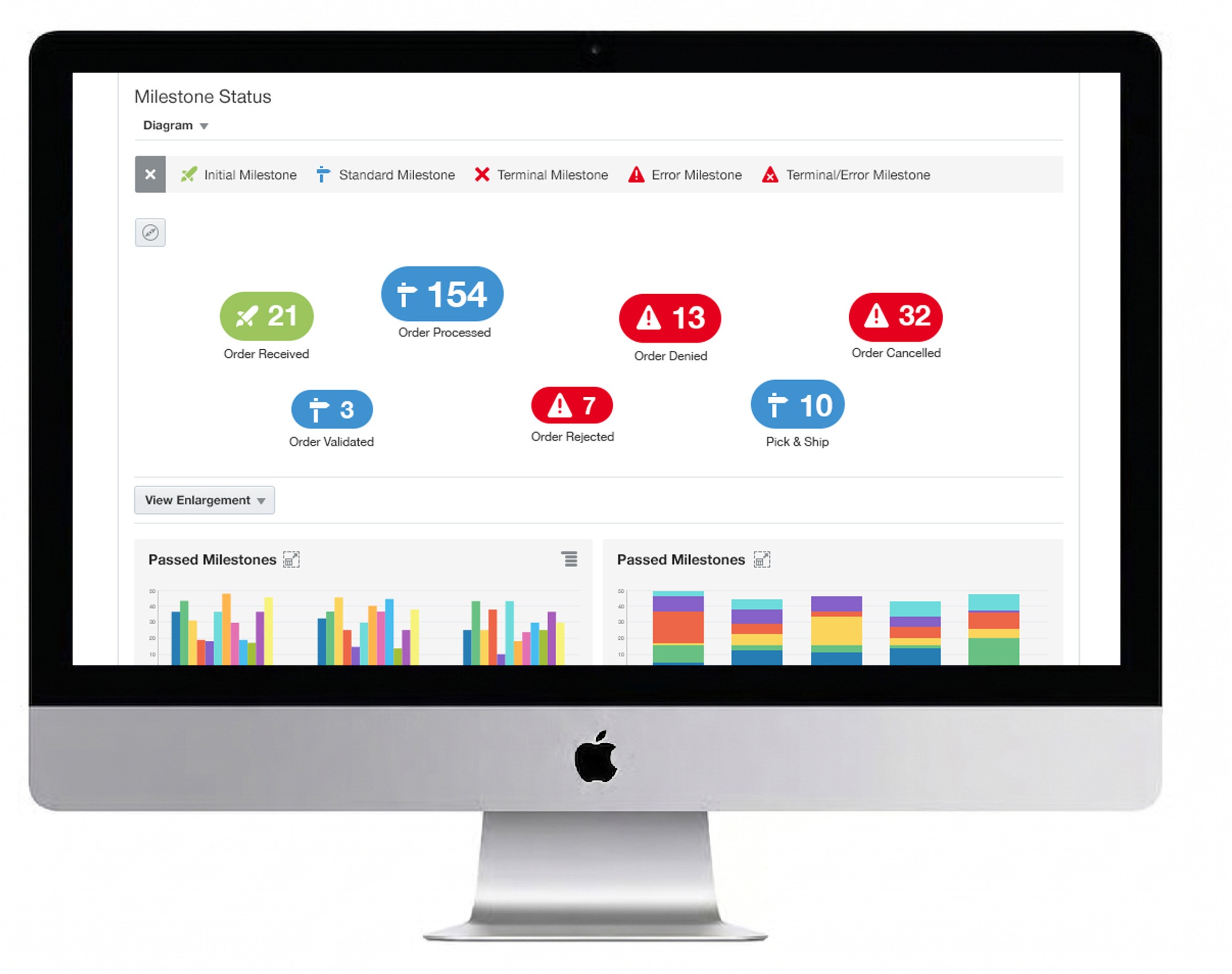
Milestones and indicators as first-class concepts. Business users care about "did the order ship" and "are we on pace this quarter," not technical event counts. The entire product was structured around those 'business user' semantics.
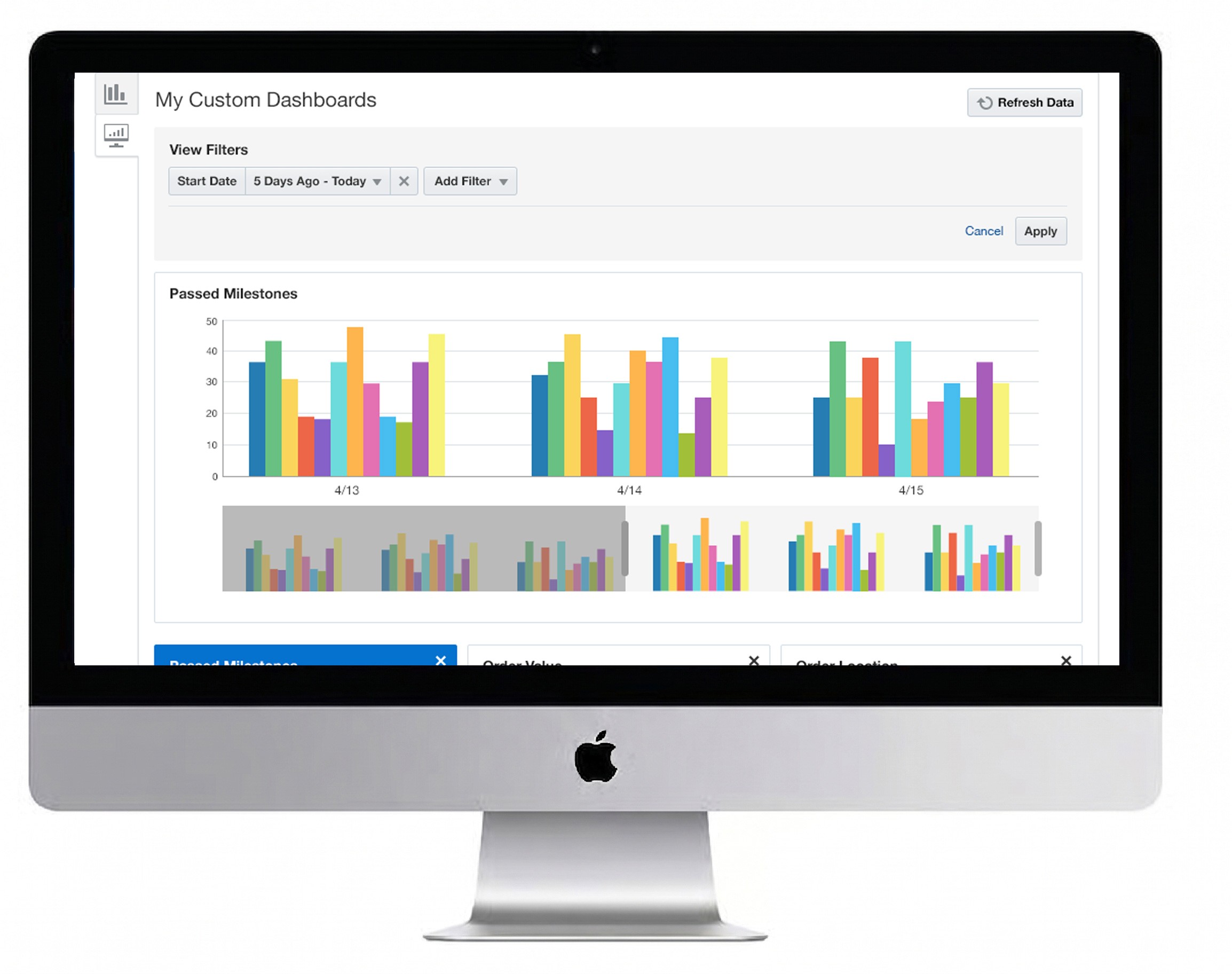
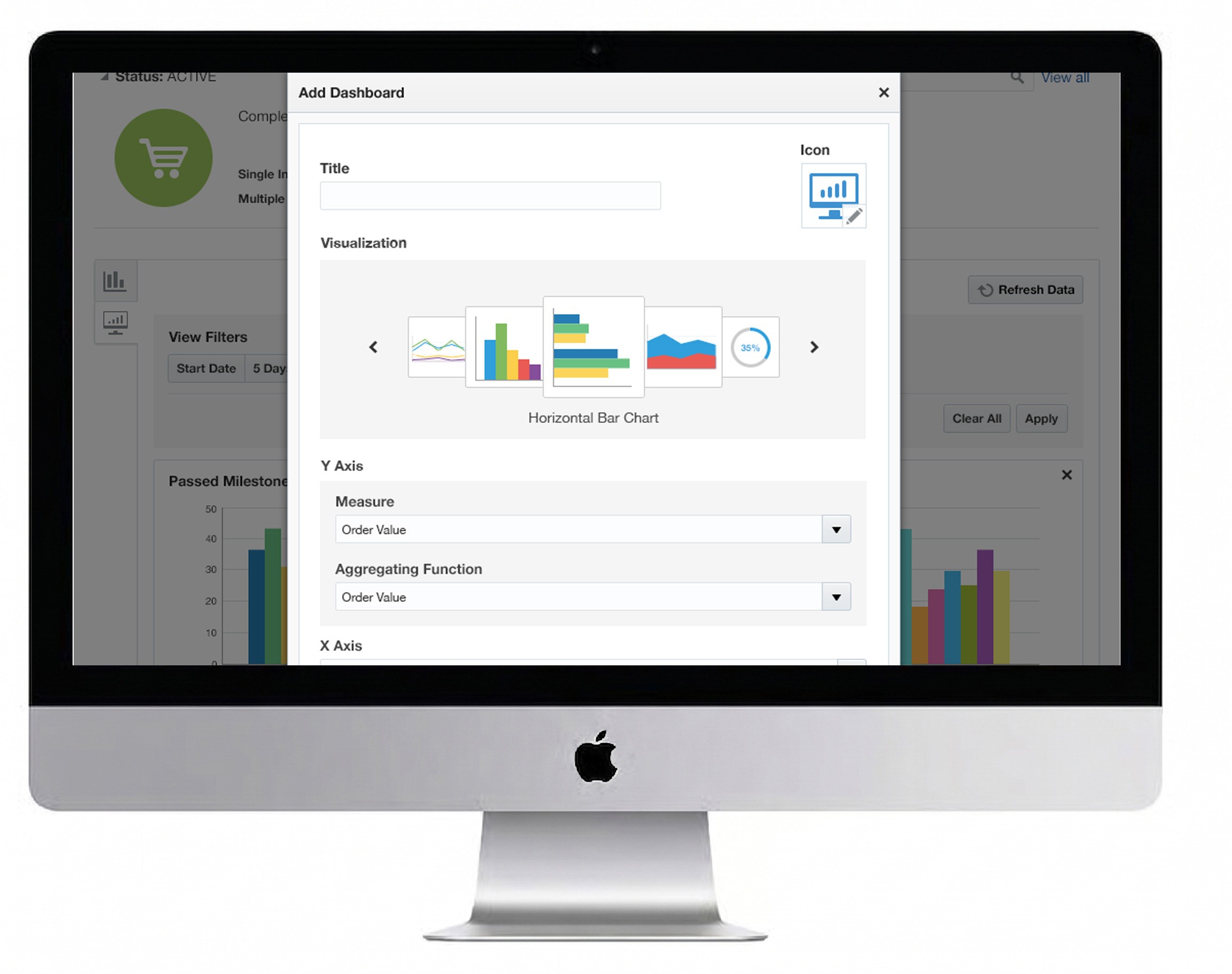
Custom dashboard creation with an add-dashboard flow that didn't require technical knowledge, business users build their own views, on their own. No hand-off to engineering, done in a fraction of the time.
Project 2:
Oracle Integration Cloud
The challenge
Oracle had three powerful but separate integration capabilities: Application Integration, Process Automation, and now RTIBI.
Customers using two or three of them were doing the integration work themselves, mentally and procedurally. Different UIs, different terminology, different navigation.
Oracle's first Integration Platform-as-a-Service (iPaaS) had to be the unified cloud service that solved that. Not a hack-together. Not a launcher. A single platform with shared IA, design language, interaction patterns, and a coherent product story to compete with MuleSoft, Boomi, and Informatica.
Change Agent, the other half of the job
The iPaaS wasn't just a design problem. It was an organizational unification challenge.
Three siloed product teams had to align on shared IA, terminology, interaction patterns, and visual language, while still shipping their individual roadmaps.
Each team had their own customers, conventions, backlog, and reasons (real ones) why their existing UX was correct for their users.
My job was to design the unified experience and lead the cross-team alignment to get there.
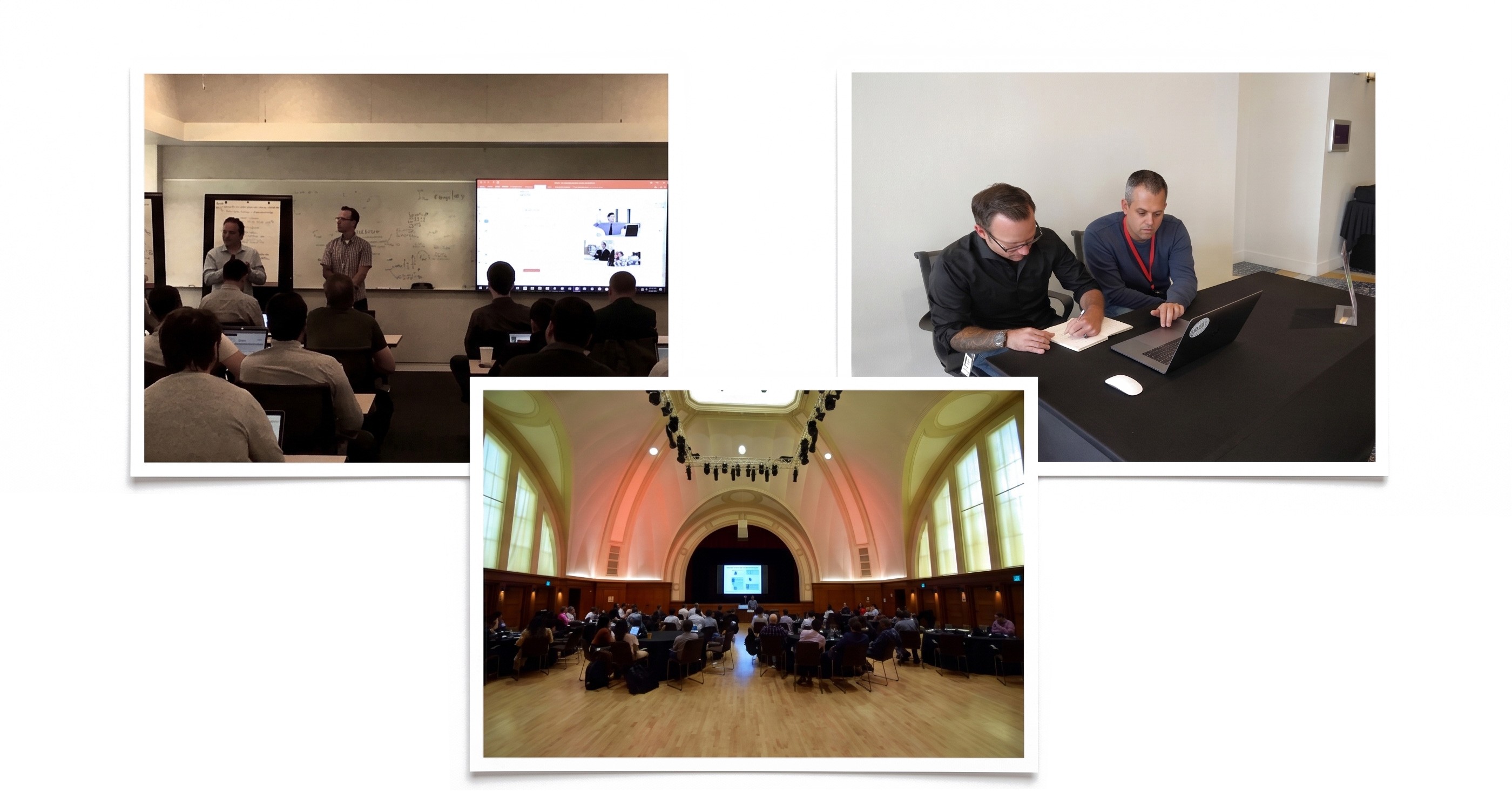
To be effective at gaining alignment first required me to build trust across all three teams…who by the way where not enthusiastic about combining with other products or teams.
I had to become a member of each team, learn what made them unique and find commonalities cross them.
To achieve this, I embedded myself into each product team (product managers, engineers, and executives).
Conducting customer interviews with Customer Advisory Board (CAB) members. Running cross team workshops, design reviews, IA negotiations, terminology arbitration.
Presenting at both engineering and product events, and building 1-on-1 relationships with all primary stakeholders.
The unifying iPaaS shell
Through workshops, design reviews and customer interviews we identified various commonalities across all products that could be aligned to create a unifying shell while maintain each products unique interfaces and task flows. And, also scaling to facilitate additional, cross cutting, features like "My Tasks", and marketplace integration.
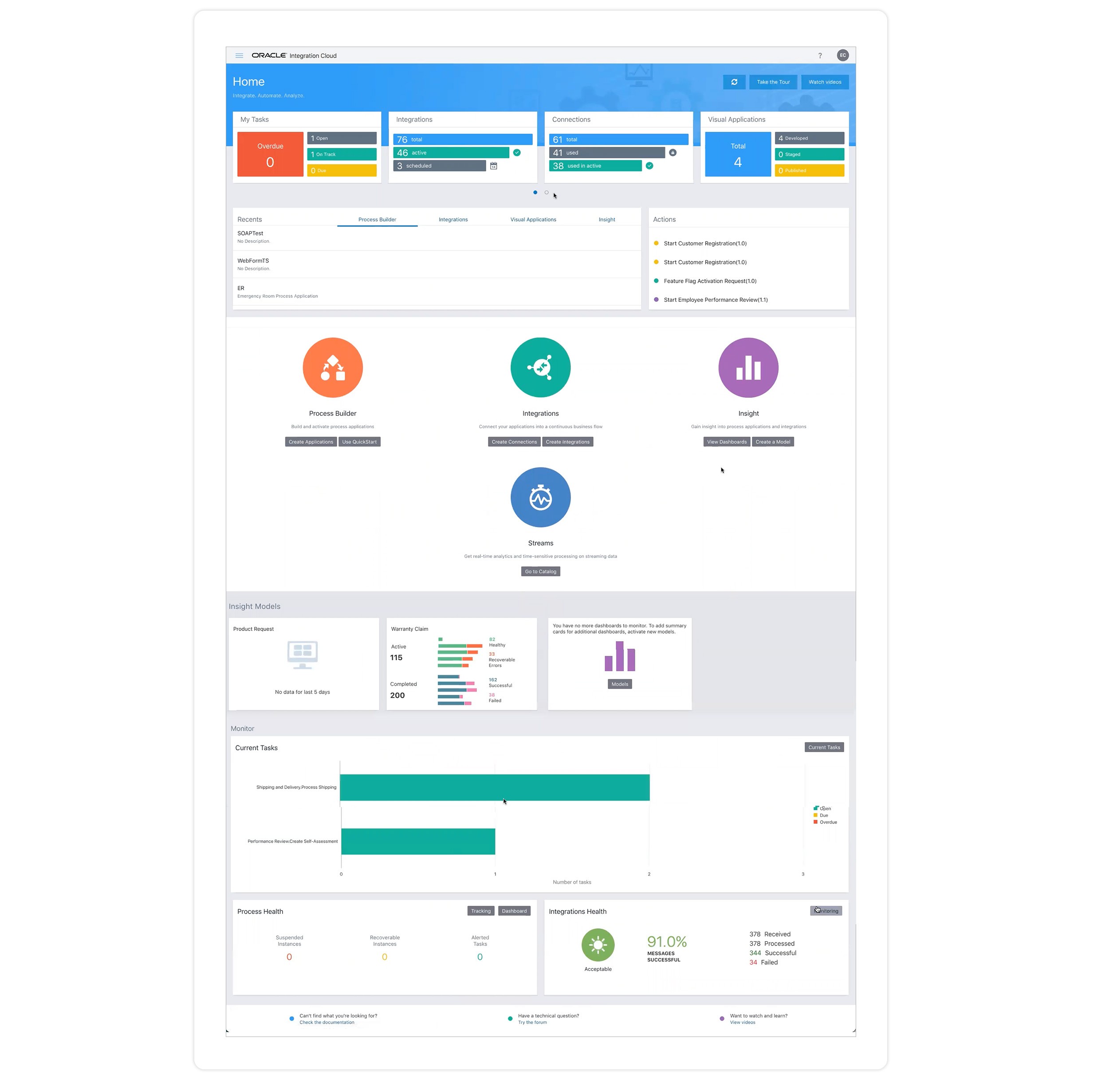
Homepage
Each platform feature (product) has a measured presence on the new homepage, that dynamically changes based upon feature availability and state (first time use, regular use).
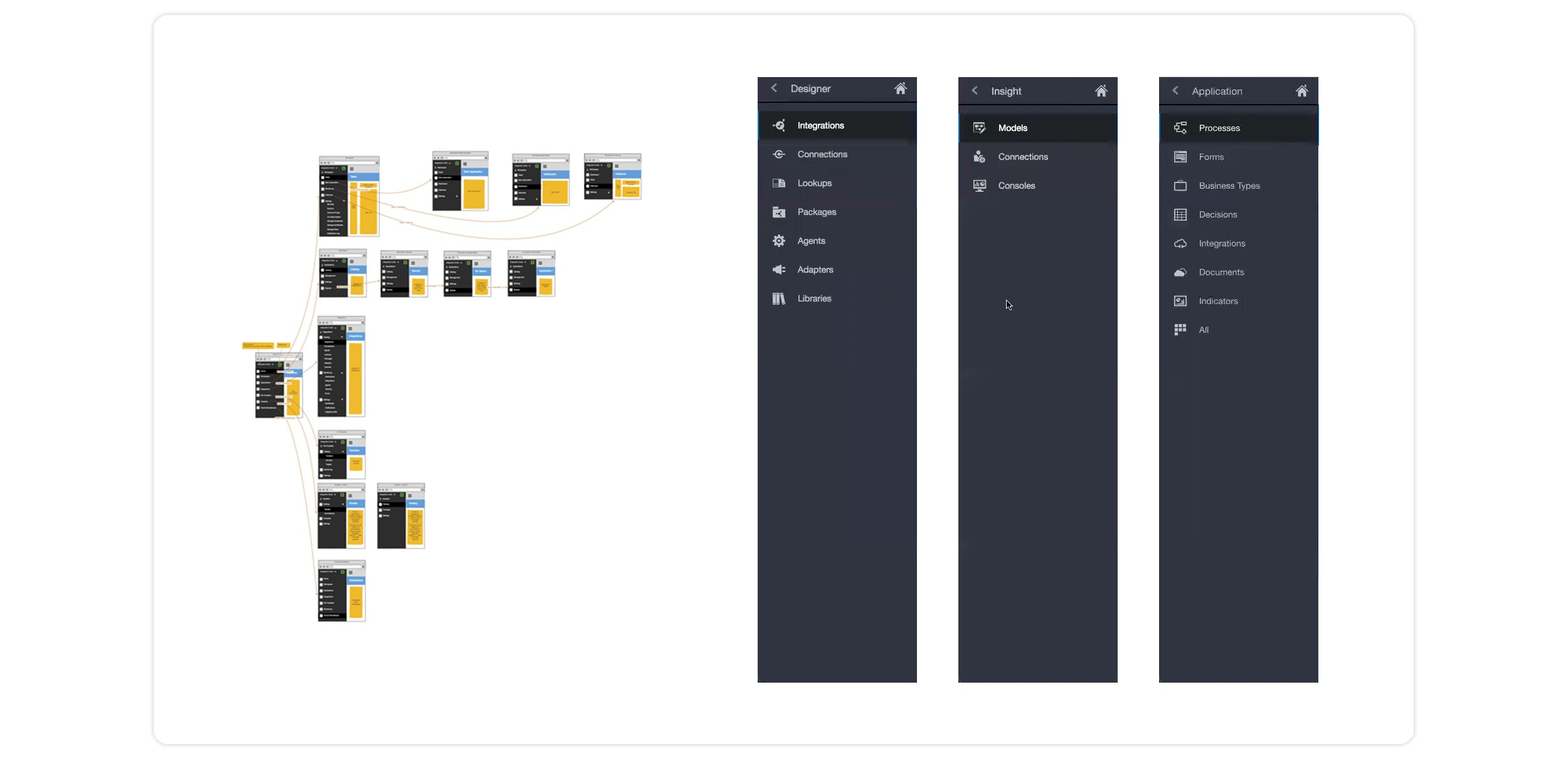
Navigation system
A contractable left panel was designed using a mobile inspired drill down pattern, establishing a standardized way to navigate across all platform features.
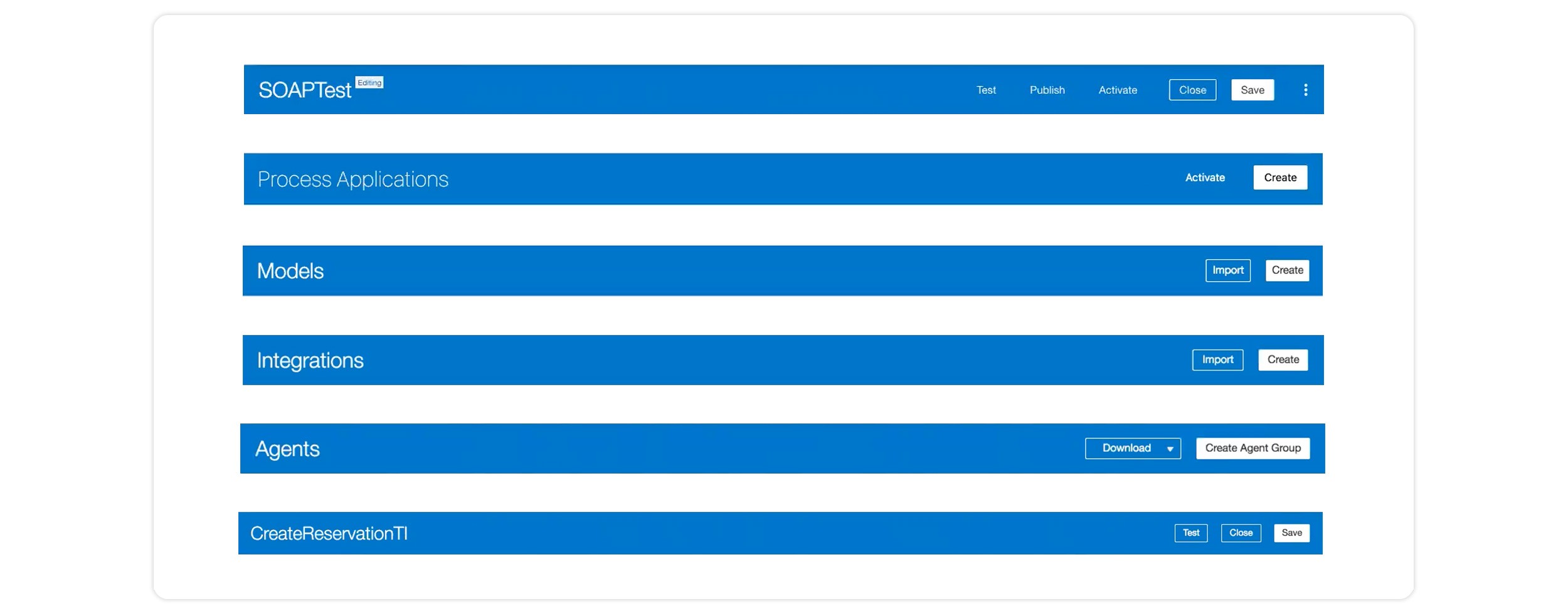
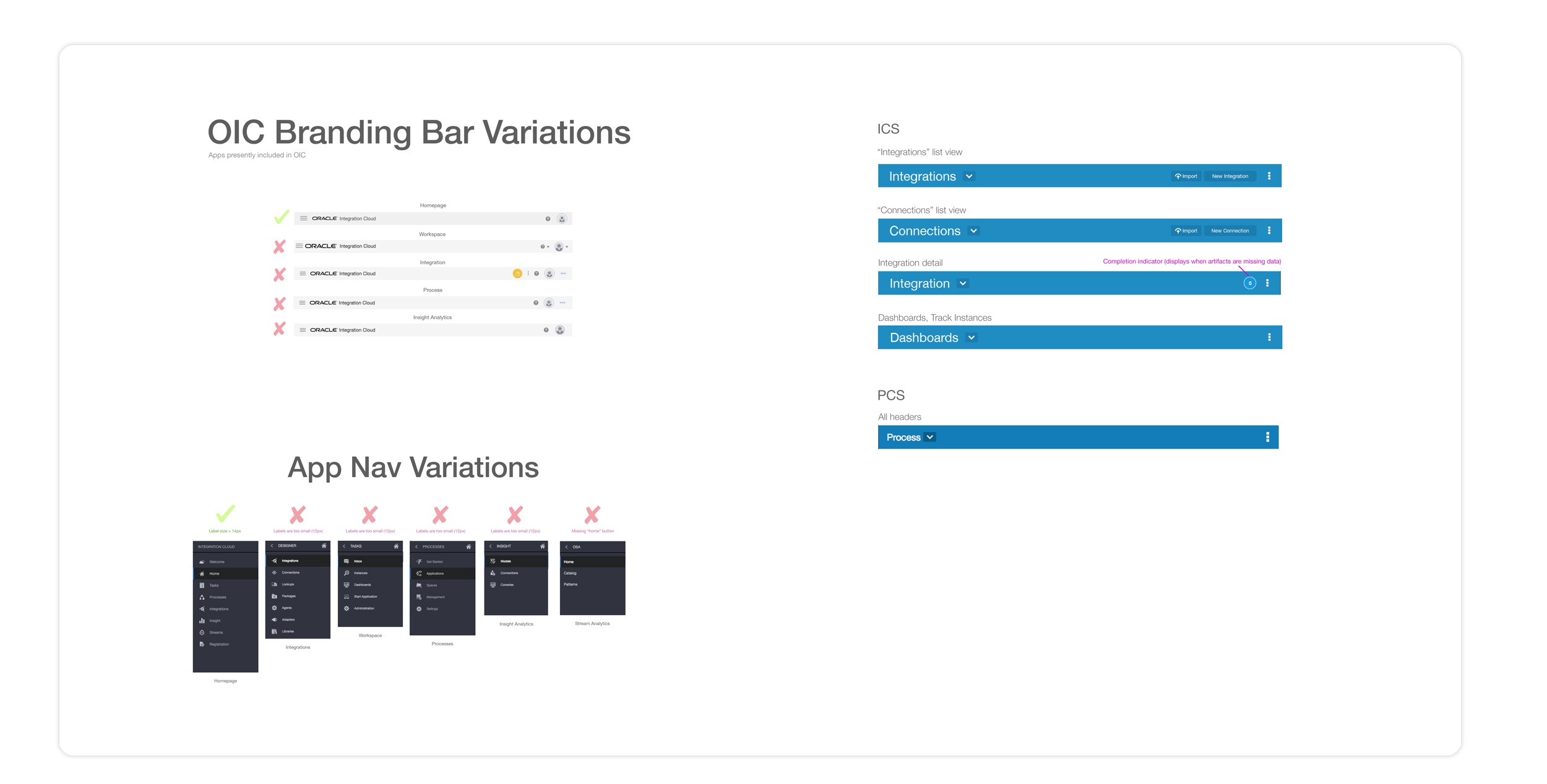
Branding bar
The top most element on the screen, the branding bar was normalized to provide consistent branding, navigation entry point and auxiliary features such as help and user menu.

Title bar
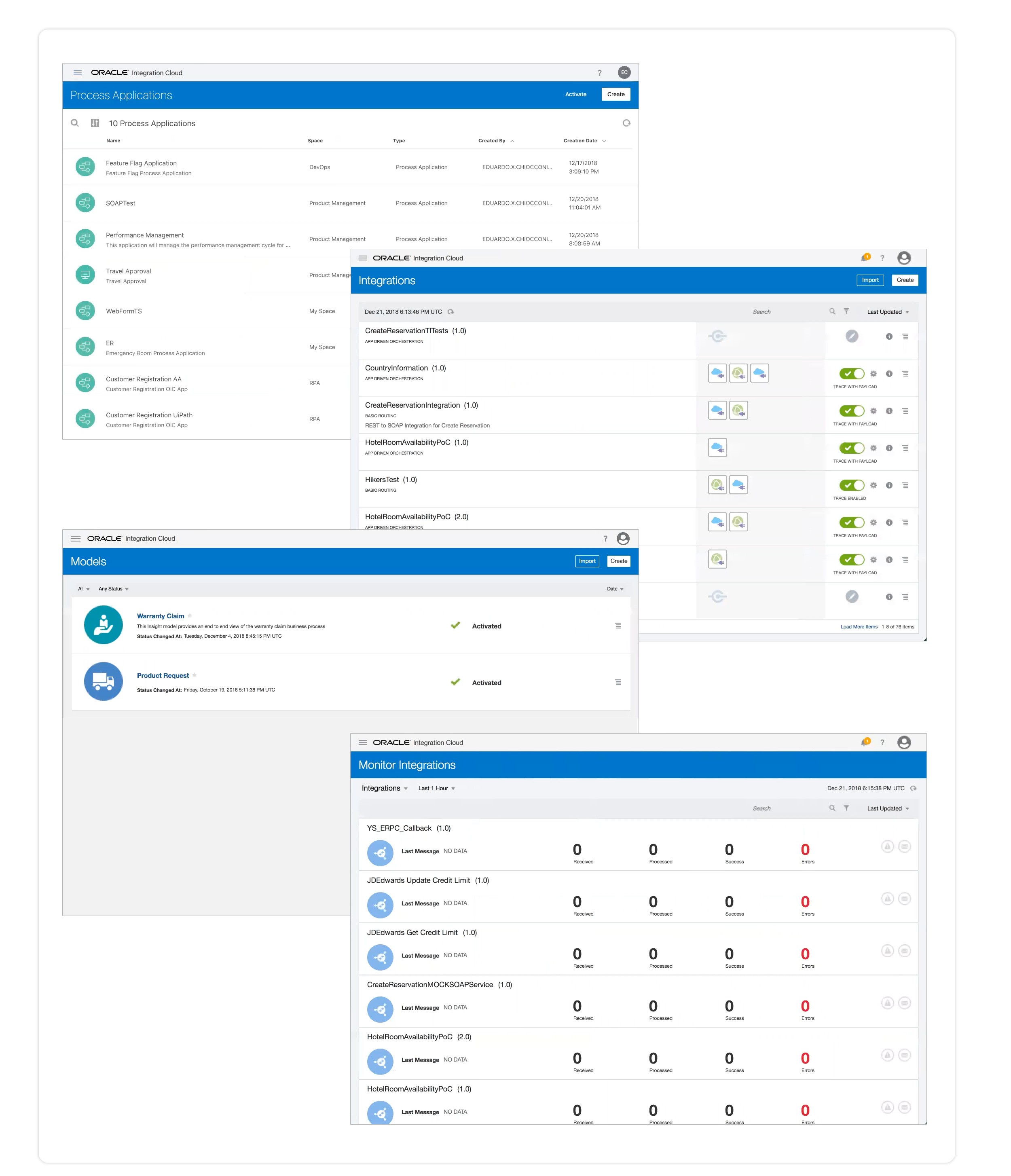
List views
Item lists are the most common view across all features. Standardizing them drastically reduced cognitive load and strongly contributed to the 'feel' of a unified platform.
Going one level deeper
Designing the iPaaS unified homepage, navigation structure, branding bar, title bar, list views, and shared design language was the minimum viable deliverable.
Looking one level deeper across all 3 features, the most prominent shared feature where the diagrammatic canvases within Process Automation and Application Integration and Process Automation.
Platform customers shouldn't feel a dramatic UI shift when they moved from "I'm building an integration" to "I'm building a process." But the products had been built independently, by independent teams, with independent design instincts.
Bringing them in line meant aligning diagram canvases experiences, reconciling terminology, and implementing a shared visual language, all without breaking what existing customers know and use.
This involved a 1-to-2 design for both products that included:
Revising menus
Creating a common set of diagram elements (nodes, connectors)
Aligning interaction patterns
Negotiate which existing patterns to preserve and which to replace across teams.
Designing the evolved screens, interactions, and flows, and coordinate with each product's engineering team to implement the changes against their existing roadmap, and scoping it to be achievable within the platform delivery schedule.
Process Automation
Previous Process canvas
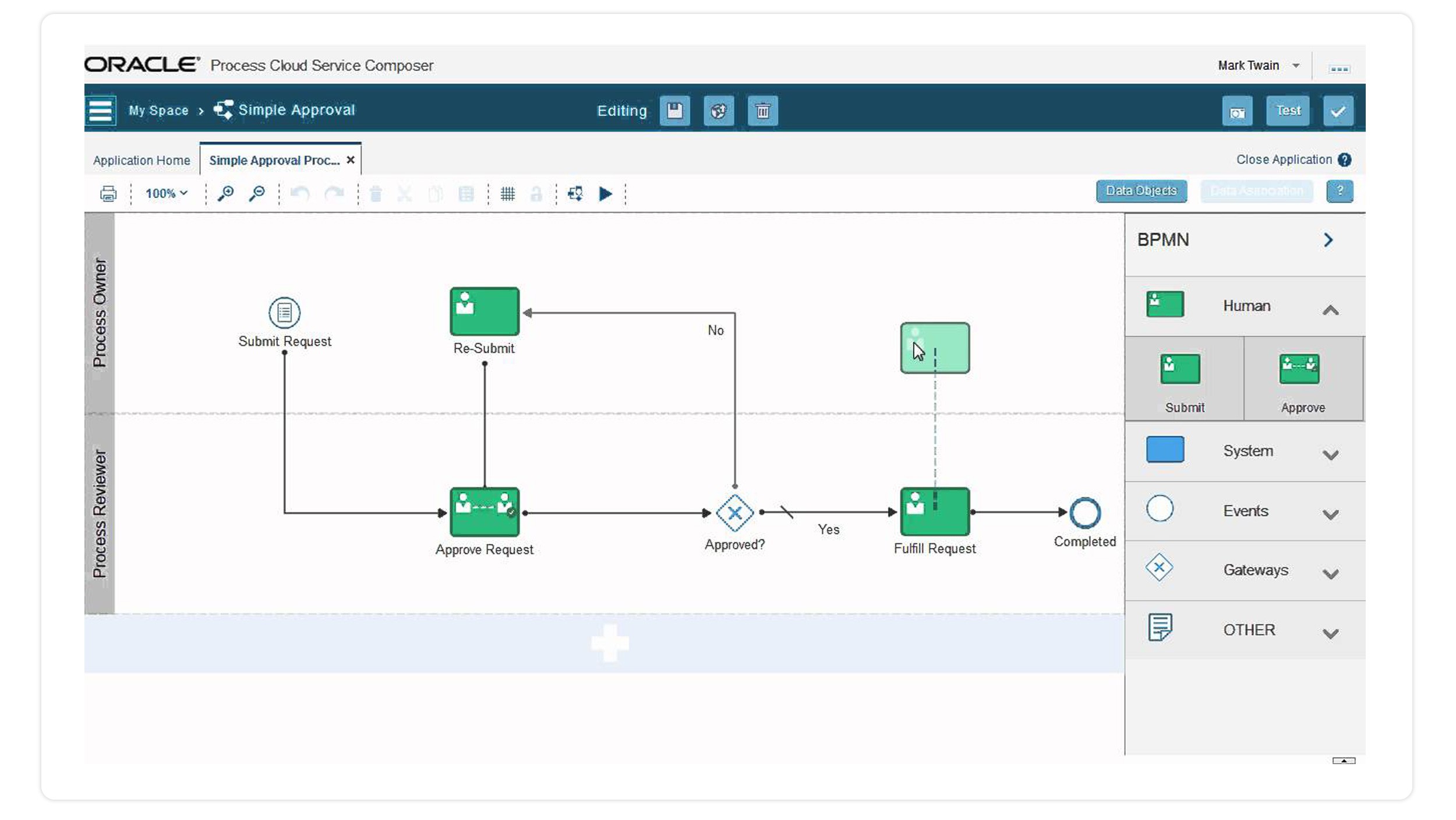
Process Automation was already a mature low-code business workflow product. The visual workflow canvas, drag-and-drop nodes for tasks, decisions, integrations, approvals, embedded form builder, and decision models have all been refined for years.
The evolution work was about bringing the canvas into the unified iPaaS without breaking it.
That meant:
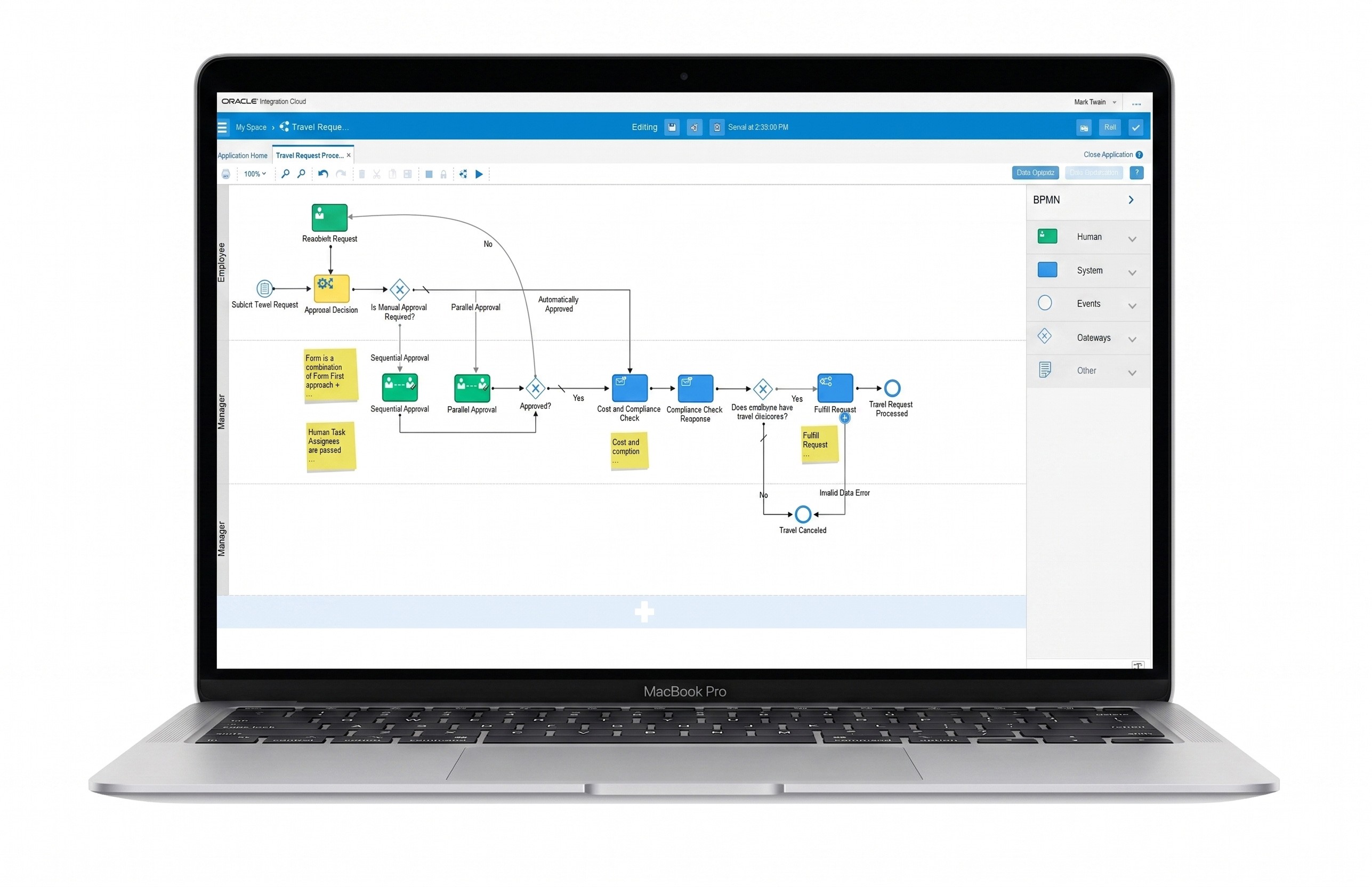
Aligning the canvas's status, configuration, and lifecycle surfaces with the iPaaS's shared patterns
Reconciling Process Automation's terminology with the unified terminology (what's a "task" vs. an "activity," what's a "process" vs. a "flow")
Updating the visual design to match the unified design language while preserving the canvas's specialized UX
Designing the cross-product moments where a process calls an integration or becomes an available RTIBI event trigger. (The most valuable part of the unified experience)
Oracle Integration Cloud: Process canvas
Application Integration
Previous Application Integration canvas
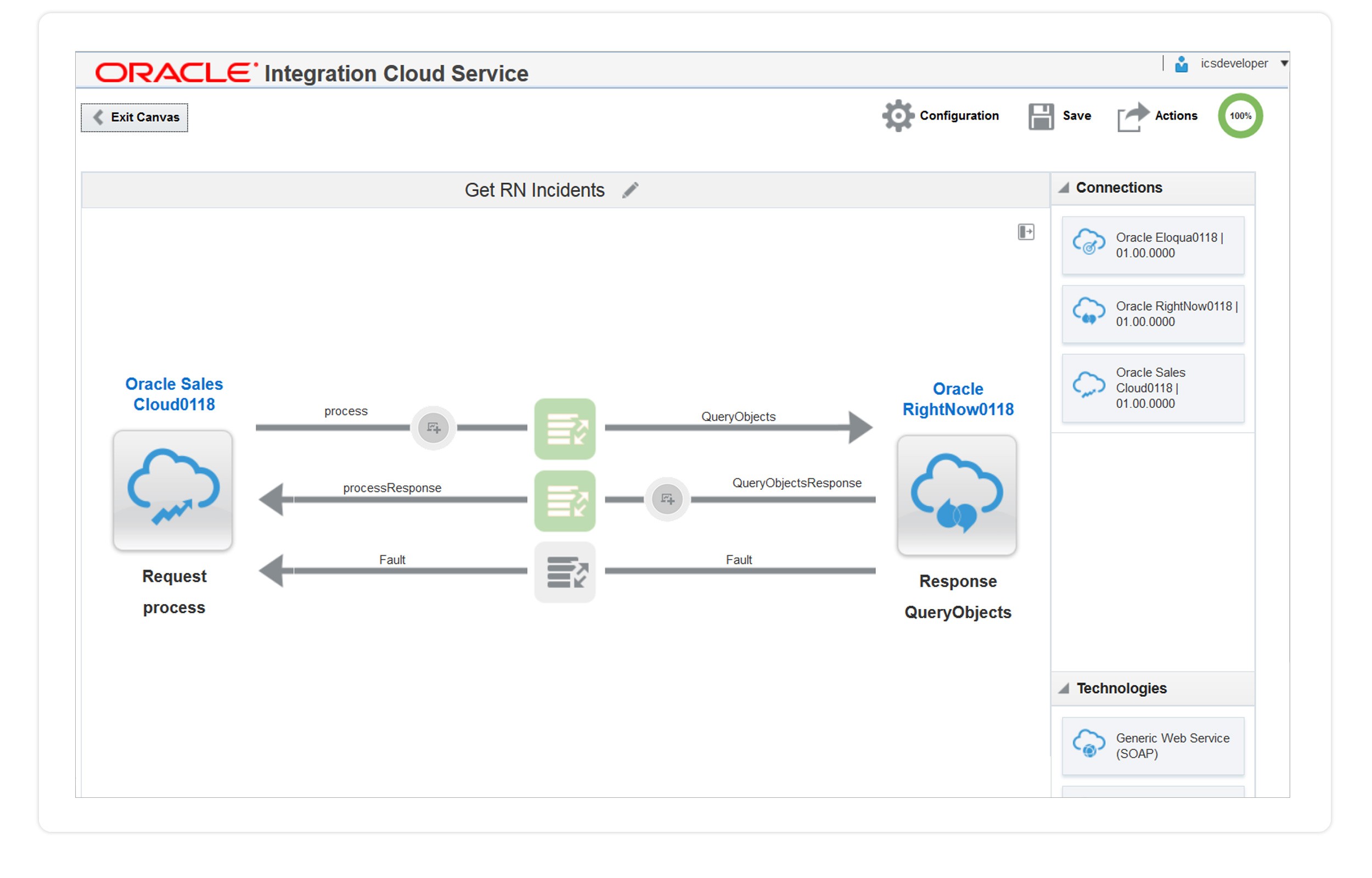
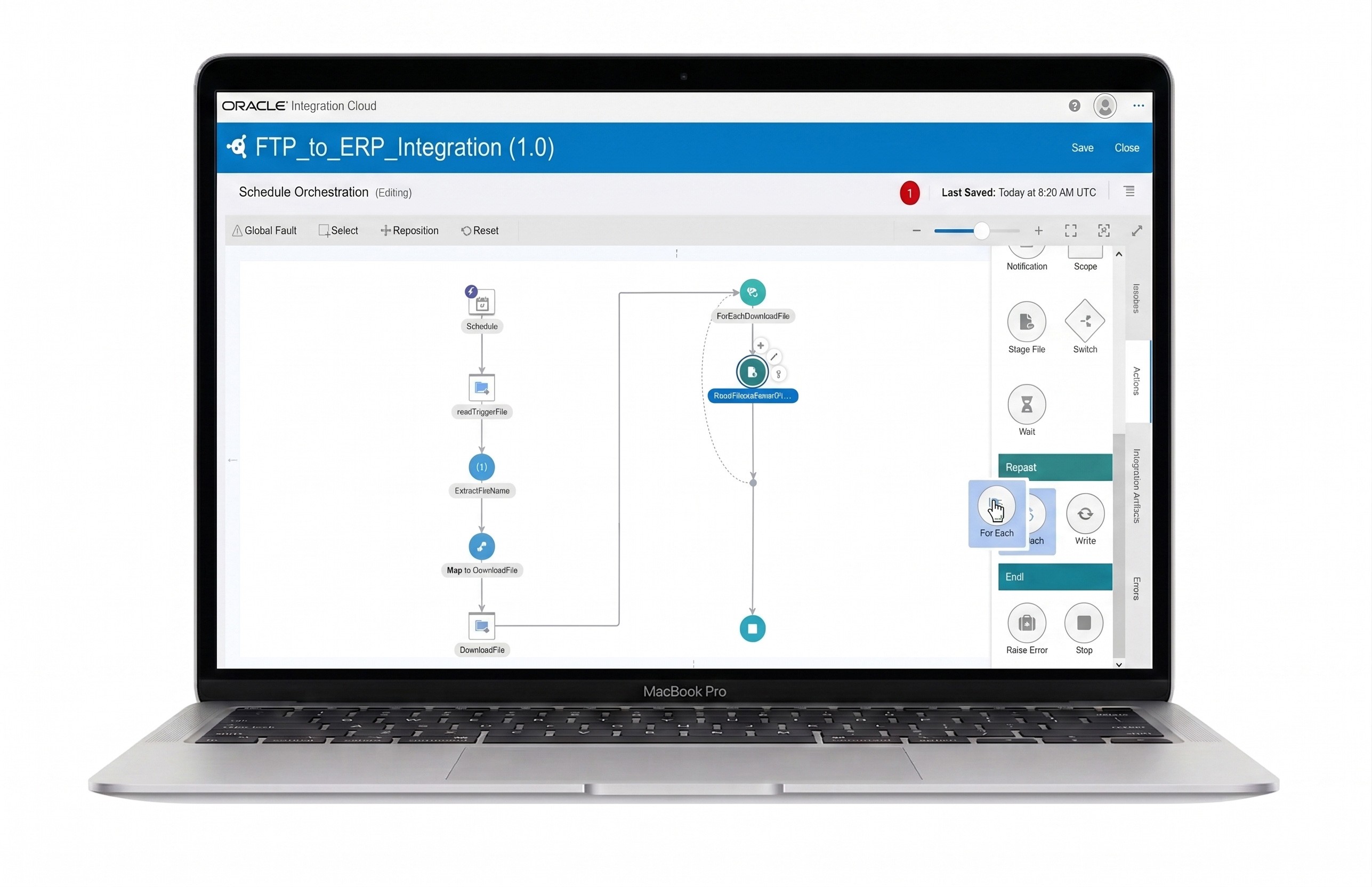
Where unification would have broken something valuable, I preserved the existing UX. Where unification made things better, I evolved.
Oracle Integration Cloud: Application Integration canvas
Design Governance
To ensure design integrity a design governance counsel was established. I was a founding member alongside peers in the Alta design system team, and senior engineers across all three products.
I conducted multiple design audits, collaborated with the design system team to establish corrective measures, and communicated those corrections to the engineering partners.
Working as a liaison across design and engineering to ensure design integrity and capturing known gaps in order to provide leadership with the information they needed to decide when the platform was ready to be released.
Outcome
Oracle's first iPaaS shipped in 2017, combining the standalone products into a unified platform, and became the foundation for what is now Oracle Integration, which has been recognized as a Gartner Magic Quadrant Leader for Data Integration Tools eight years in a row (2017-2025).
In 2026, the platform serves customers such as Cisco, Kroger, and Subaru. And has been extended over the past decade to include Data Integration, GoldenGate, Events, Streaming, SOA, API Management, and Embedded Data Studio. All built on top of the unification framework I designed.
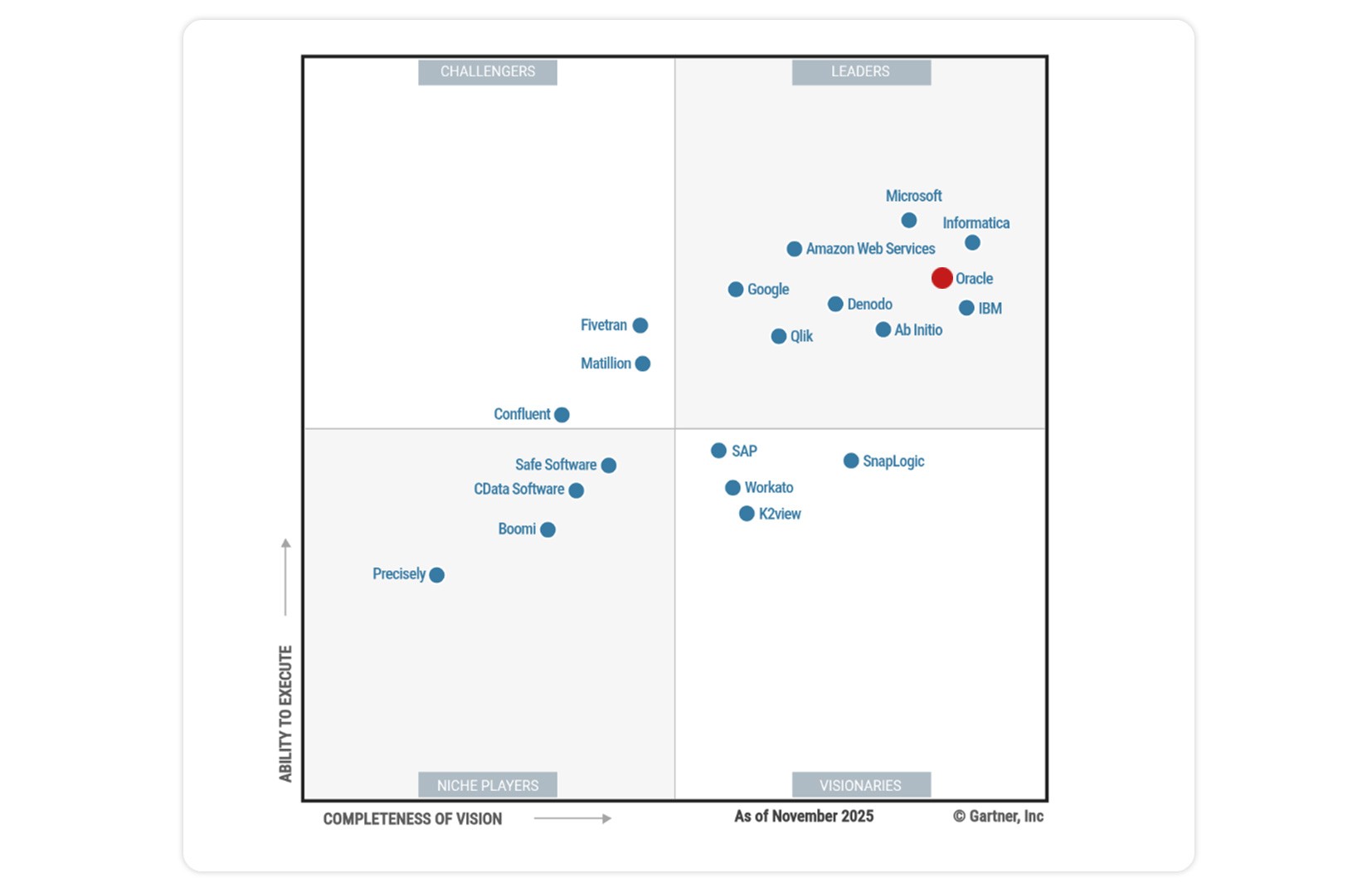
>> Read 2025 Gartner Magic Quadrant Announcement
Why this work matters
Two 0-to-1 design efforts. Plus, two existing product evolutions, bringing them into the unified platform.
Most enterprise design case studies show a project that shipped and disappeared. This one shows the opposite: the design decisions, business-semantic analytics IA, interaction patterns, unified platform structure, cross-product workflows, weren't just what got the products out the door.
They held up well enough to grow into a long-term Oracle category that competes with Microsoft, IBM, and AWS today.
For a lead product designer in 2026, this is the proof-point that complements the recent AI-first work.
I've been designing 0-to-1 enterprise products and their evolution for over 10 years.
The tools have changed (Sketch and InVision then…Figma, Claude, Gemini, and Lovable now).
The design judgment, persona rigor, IA discipline, low-code interaction design, champion-for-change leadership, is the same.